
The language portraying second jobs as liberating or glamorous masks the reality of the insecure working lives of many Americans.
Via NYTimes, By Alissa Quart
Ms. Quart is the author of “Squeezed: Why Our Families Can’t Afford America.”

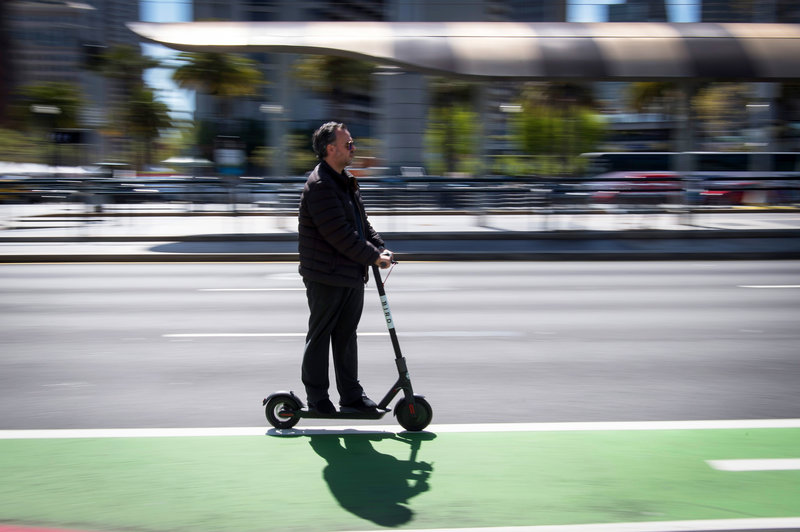
As E-Scooters Roll Into American Cities, So Do Safety Concerns
The above is an article from last October connected to a newer article below this post..
I start with this one because it describes the basic problem: Electric scooters in cities.
After reading several related articles all pretty much focused on recurring themes of injuries, I found myself coming to a fundamental cause of the problem, regardless of its being mentioned in the articles. Government paralysis.
Taken further, it’s about the failure of certain blocs of people to agree on a set of actions to address and correct a serious problem.
We can read articles like this and many others over and over blaming this person or that peeson because we think they’re on the wrong side, but some problems or challenges are just too complicated to reveal an obvious answer. This case about electric scooters in cities (overwhelming?) is one of those problems.
I may personally disagree with the complexity of tackling this situation, but I see obvious issues that should’ve been anticipated the moment one single electric scooter was permitted in one city. Let alone, several now, and growing.
This and all the other “complicated” problems around us in life need a compromised approach among interests or opinions. But what we need more than any of these things first is swift action and forward movement. That doesn’t happen in cities in this country. That has to change.
Related recent article:
As Electric Scooters Proliferate, So Do Minor Injuries And Blocked Sidewalks

Mainstream news media is routinely attacked as an unreliable source for deeper truths, let alone, in-depth reporting.
That may be true in all too many cases, but, media provides public platforms for opinion writers.
Read enough of them, across the spectrum, and you’ll come away with valuable perspective.
Get enough of that, and truth is easier to find.
Herewith…
Via NYTimes, By Alissa Quart
Ms. Quart is the author of “Squeezed: Why Our Families Can’t Afford America.”

Ride-sharing cars have become ubiquitous in New York. Uber tries to attract drivers by promoting the job as a “side hustle.”Credit: Chad Batka for The New York Times
An attractive woman behind the wheel of a gray car says to the camera, “These days anyone can have a side hustle.” She then whisks off to the gym, for her other job as a personal trainer, beaming as she goes from one gig to another. This ad for the ride-share company Uber seeks to entice new drivers to join their ranks by using the “side hustle” come-on. The company isn’t alone.
Similarly laborious “side hustles” are celebrated in popular media and advertising, from self-help articles and other web content that exhort us to, say, work for a design studio part-time or sell CBD oil (great as a side hustle for moms, supposedly). Even pastors can use a side hustle, according to one evangelical blogger.
During tax season, you will also find filing suggestions for side hustlers. (Report all of your income! Deduct expenses!)
The truth is, working multiple gigs creates complications when you do your taxes. Compared with those with salaried jobs, who pay their taxes seamlessly through withholding, for side hustlers “the process will be a lot messier,” according to Steven Dean, the faculty director of the Graduate Tax Program at New York University Law School. You have to estimate and pay taxes on your own, he notes, and your expenses may not be reimbursed by your employer. In other words, paying quarterly tax estimates gives workers with side hustles yet another side hustle — being their own accountant, although this gig doesn’t even pay.
Nevertheless, this nouveau moonlighting continues to be exalted as cool, empowering or freeing. This mantra is false: Side hustles are not simply a new version of working as a “wage slave” so that we can do what we love in our off hours. Instead, far more often, people take on second or third side hustles because of wage stagnation or low pay at their full-time jobs.
Over the past few years, I have interviewed dozens of people who work a full-time job or close to it — teachers, professors, administrators and nurses, among others — and supplement their incomes by driving for Lyft or serving as a barista. They are not doing it for the glamour. They need these second jobs because their first jobs don’t cover astronomically rising rents, record health care costs or swelling college tuition. A full 30 percent of Americans do something else for pay in addition to their full-time jobs, according to an NPR/Marist survey last year.
Yet this sales pitch for the “side hustle” takes what we once called, more drably, another job and gives it a gloss, with a tiny shot of Superfly, disguising unstable working hours and a lack of bargaining power as liberation. You can see the twisted alchemy of what Reddit’s founder Alexis Ohanian has called “hustle porn.”
Commercial websites like Side Hustle Nation extol the joy of the new unstable labor, although its payoff actually arrives for only a few. As Nick Loper, the site’s “chief side hustler” writes, “My escape route was a side hustle business I built in my spare time — and you can do it too.” Medium has a whole Side Hustle publication. It bears the legend “You’re more than your day job.”
This language tries to make the dreary carousel of contemporary life sound more fun. “The phrase the ‘side hustle’ has gained a strange kind of prestige from downwardly mobile, college-educated tech workers,” said John Patrick Leary, the author of “Keywords: The New Language of Capitalism,” a sharp recent book on this troubling new lingo. Its glitz and energy derives from “a hip-hop genealogy,” although the side hustles name-checked in that genre are perhaps not the same as those imagined by Uber.
The “side hustle” is one of a growing roster of trendy corporatized idioms, like ordinary household appliances that are now “smart” or plain vanilla businessmen and women remade into the more exotic “entrepreneurs.” Our jobs are now “flexible,” although we are the ones contorting ourselves to work at all hours, or we are professionally “nimble” because we are trying to survive on freelance gigs.
Ultimately, like so much of this lexicon, the “side hustle” describes the overworked outsiders to privilege, who are forced into informal vocations by the absence of a legitimate economy. They are then told that suffering is valiant and also groovy. In a recent viral BuzzFeed piece describing millennials as the “burnout generation,” side hustles are listed as one of the main culprits.
There are some surprising benefits to side hustles. The 2017 tax reform introduced the qualified business income deduction, which provides side hustling workers with a rate reduction. But some people may not understand it, and this small benefit doesn’t make up for an uncertain work life.
So what can we do? For starters, anyone writing about work, whether as a journalist or as a social media exhibitionist, should stop glorifying long hours at work or juggling multiple workplace identities. Instead, we could be more open about what all these “side hustles” are really doing to our minds and bodies.
As workers, we might acknowledge that “side hustle” is an insidious term and resolve never to use it again. More broadly, we must fight other forms of this falsifying new jargon and seek out more truthful language. We could follow Raymond Williams, the cultural theorist, who once wrote that we should interrogate the language of contemporary society and “change as we find it necessary to change it, as we go on making our own language and history.” Most important, we can agitate to raise wages. If we do that, we won’t need cute euphemisms to cloak the chaotic truth of working life in today’s America.

Very useful.
An in-depth look at how truly living with humility is not just checking off a few boxes now and then, but recognizing that it is a full spectrum way of life that involves many decisions on how we feel about, and conduct, ourselves around others almost every day.
This primer is important to read right through to the last frame.
Follow the link here if you want to view the original wikiHow page.. You can save/print out a PDF of the pages from that location, though without the pictures. Below is my paste-in of the same content. Good work.
”’Mother Theresa once said, “Humility is the mother of all virtues; purity, charity, and obedience. It is in being humble that our love becomes real, devoted and ardent.” These words ring true, but you don’t have to be Mother Theresa, or even religious at all, to make an effort to practice humility in your everyday life. Being humble means accepting your limitations and making an effort to make the world a better place without wanting to take all the credit.
Don’t think you’re too good for everything you do. People who have big egos tend to think that they deserve to be working at a better place, to be dating someone better, or even to be hanging out with people who are interesting and cooler. But your life is your life, and if you want better things, then you have to work to reach for them, instead of assuming the attitude that you’re not getting treated fairly. To practice humility, work to accept the life you have while striving for more without complaining.

Be an optimist. People who practice humility are naturally optimistic because they don’t waste their time complaining about all of the bad things that have happened to them or dreading the future. Instead, they’re grateful what they have and they expect good things to happen in the future. Humble people don’t expect to be given good things on a silver platter, but they do believe that good things will happen to them if they work hard enough.

Accept that you’re not the best at everything. To get in a more humble mindset, you have to accept the fact that you’re not the best at everything—or even anything. No matter how great you are at surfing, singing, or writing fiction, there will always be someone who is more knowledgeable than you are, and that’s okay. Instead of acting like you have the final say on something, be open to the fact that you’re constantly evolving and improving, and know that other people can help you get there.

Know that humility is not false modesty. It’s one thing to be humble and another thing to be falsely modest. If you spent all weekend working on a project for work and your boss tells you you did a great job on Monday, don’t say, “It was nothing.” Tell him that you’re glad he liked it and that you’re happy to have put a lot of work into it. You may think that shrugging off your achievements will make you look more modest, but in reality, it will actually make you come off as more arrogant.[1]

Recognize your flaws. If you want to practice humility, then you have to be aware of the fact that you’re not perfect. If you think that you’re a flawless human being, then you’re not going to learn anything new in this world or grow as a person. Instead, it’s important to be self-aware and to know what you need to work on, so you can be humbled before others. A truly humble person knows that he has things to work on and makes an effort to get there.

Avoid bragging. To truly practice humility, you should avoid bragging or showing off as much as you can. While you may want to talk about your accomplishments, you should avoid sounding like you’re showing off as much as possible. If you worked hard to do something, then you can talk about it, but avoid talking about how rich, attractive, or successful you are, or people are likely to get the wrong impression about you. Instead, you should trust the fact that if you’re a really impressive person, other people will get a sense of it without you having to tell them.


Give other people credit. If you want to practice humility, then the best thing you can do is to is to learn to give credit where it is due. If you’re praised for doing a report at work, make sure you mention that you couldn’t have done it without two of your coworkers. If you’re praised for scoring a goal at the soccer game, mention that you couldn’t have done it without your teammates. You are rarely responsible for 100% of your success, and it’s important to take the time to acknowledge all of the other people who made your success possible.


Ask for advice. It can be very humbling to admit that you don’t have all the answers and to defer to someone else. When something is troubling or puzzling to you, take the time to turn to a friend for advice or to ask a coworker to share his expertise. Be comfortable with admitting that other people have something that is useful to you and that you’re always open to learning more and improving as a person. Truly humble people know that knowledge is infinite, and they’re always asking others to share what they know.

Praise others. Another way to practice humility is to recognize other people for their achievements. Praise other people as much as you can, for being in awe of how hard your co-worker worked on a presentation to praising your sister for keeping her head up in a difficult situation. Praising others publicly, as long as you don’t embarrass them, can also be a great way to show your appreciation of others and to humble yourself before the strengths of other people.

Give compliments. If you want to practice humility, then you should always be open to complimenting other people, from telling them how great they look to complimenting aspects of their personality. As long as your compliments are genuine, you’ll be making other people feel better about themselves while practicing humility in the process. Truly humble people recognize that other people have endless qualities that are worth praising.

Volunteer. If you make volunteering a part of your routine, then you will be able to have a more humility-filled life. Whether you’re helping children and adults learn to read at your local library or working a soup kitchen in your community, volunteering can help you get in touch with your sense of gratitude and help people who really need you. It can be incredibly humbling to spend time with people who are grateful for your help, and it can make you be more gracious and less likely to feel entitled.[5]

Don’t compare yourself to others. To practice gratitude on a regular basis, you should avoid comparing yourself to others, whether you’re jealous of your neighbors, your best friend, or even Taylor Swift. Focus on being grateful for what you have and enjoying your life on its own terms instead of thinking you need to have what your best friend or co-worker has to truly be happy. If you spend your life comparing yourself to others, then you will never feel like what you have is enough, and you won’t be humbled before all that you have been given.

Be teachable. People who practice humility are the first to admit that they don’t know everything. Whether you’re getting tips from a co-worker or a friend, it’s important to be open to new possibilities and new knowledge. Let people see that you think they have a lot to offer you, and avoid acting stubborn or like you know everything. Even if you may feel like an expert on a topic, remember that you can always learn more; it’s humbling to admit that you’re a student of life.[6]

Practice anonymous kindness. If you want to practice humility, then not all of your kind deeds have to go noticed. Donate money to charity without telling a soul about it, or donate your old clothes without saying a thing. If you notice that a person’s parking meter is expired, throw in a few quarters. Help crowdfund a worthy project. Anonymously post a kind comment on a person’s blog. Take the time to do something nice without wanting anything in return, and you will be on your way to practicing humility every day.

Don’t complain so much. People who practice humility aren’t often seen complaining because they realize that life is precious and that they have so much to be grateful for. Sure, we’ve all had bad days, and it’s okay to vent once in a while, but you shouldn’t make a habit of it if you want to practice humility. Remember that so many people have it so much worse than you, and that complaining about every little thing that happened to you instead of focusing on the positive will keep you from practicing humility.

Spend more time in nature. There’s something very humbling about being in nature, whether you take a long hike through the woods or you spend a day just lying on the beach. Nature can remind you that there are things bigger than ourselves and our problems out there, and that we should be in awe of the world instead of obsessing over all of our little problems or thwarted ambitions. Making a habit of being in nature more often can lead you to practice humility more.

Spend more time around children. Children have a natural sense of wonder and almost never cease to be in awe of the universe. If you want to practice humility more often, then you should make a habit of spending more time with children. They’ll help you see the world through new, youthful eyes, and you’ll be able to rediscover some of the magic you may feel that you lost because of the daily grind. Making a habit of spending more time with kids, whether you spend more time with your own, volunteer with children, or help a friend out by babysitting, can help you practice humility regularly.

Practice yoga. Yoga is a practice devoted to being grateful for the body you have been given and your time on this earth. Though some yoga practices can be a great workout, too, the most important thing with yoga is being in touch with your mind and body and not taking a single one of your breaths for granted. If you want to work on practicing humility more, then you should make yoga a regular part of your life.[7]

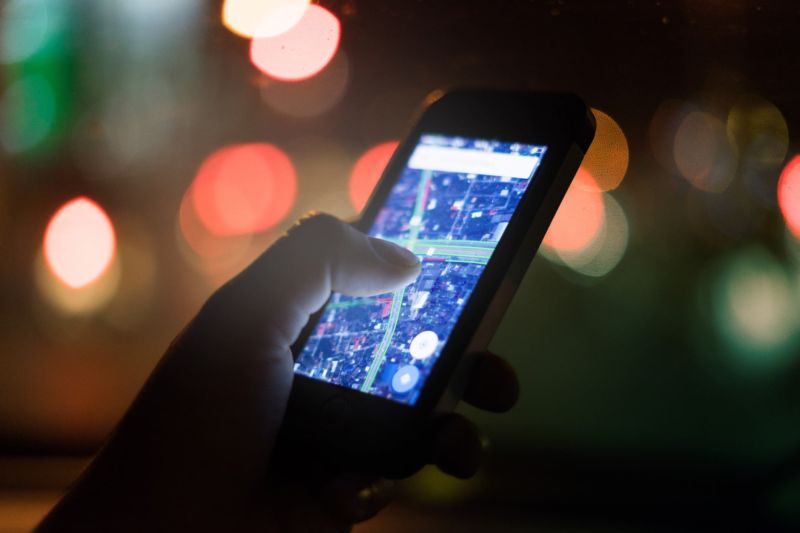
Another buzzkill reminder about modern life in a society with a government that seemingly doesn’t care enough to protect its people. Corporations that think nothing about its customers privacy as long as a dollar can be made selling it?
As much as I think the causes are clear, i.e, weak, indecisive, or, corrupt government, that doesn’t pass, nor enforce the laws, I do believe, we as citizens have a responsibility to at least stay as informed as possible, to be equipped to manage our privacy or data with some degree of effort. This is a responsibility with “us,” as users of technology, and seekers of knowledge.
I read a lot of articles such as these. Not just because I’m interested in technology and modern communication, but, because it is part of everyday life. I find that important to recognize and point out. Not everyone else does. Why not?
There is a meaty argument about literacy and educational levels having a direct impact on why, and how, so much apathy and passiveness pervades the masses in this country. Not just about politics, for instance (longstanding), but, modern issues such as this one. Virtually sanctioned invasion of our private lives by big business, or anyone else they sell it off to.
I’m not trying to veer to far afield on this, but, I believe that passiveness, apathy, and cynicism are the triumvirate at the core of what we have wrought on ourselves with technology today. It deserves a whole other essay to discuss.
I know it sounds bad, but, I believe there’s still enough people who are not handicapped by this paralysis to fight back, to make a difference. So why don’t we? Don’t we care…enough? Don’t we believe it…matters? Do we just move on, and conclude that these sorts of things are hopeless struggles against big business and corrupt governments?
It’s such an easy argument. It’s so easy to accept. But its a mistake.
Cynicism is not the foe of big business and bad government. It’s the friend of both. Cynicism does not inhibit and curtail more of the same behavior. It stimulates and grows more of it, because it breeds passivity. This is going to be a big battle, if it ever does come from the “people”. The real war from here on is not about brother against brother. That’s a mere distraction, a diversion to cultural coffee table feuds. The real war is right here in this article, multiplied by a hundred more that are written and acted out every day. Big money, big business, big tech, and a bought and paid for government. At some point, we all have to ask ourselves the famous question. Are we part of the solution, or part of the problem.
Related links:
Despite promises to stop, US cell carriers are still selling your real-time phone location data
Carriers Swore They’d Stop Selling Location Data. Will They Ever?
Carriers selling your location to bounty hunters: it was worse than we thought
Below is a pasted in article from the NYTimes:
Wireless companies sell your location data. Federal regulators should stop them.
By Geoffrey Starks
Mr. Starks is a member of the Federal Communications Commission.
April 2, 2019
When you signed up for cellphone service, I bet you didn’t expect that your exact location could be sold to anyone for a few hundred dollars. The truth is, your wireless carrier tracks you everywhere you go, whether you like it or not. When used appropriately, this tracking shouldn’t be a problem: location information allows emergency services to find you when you need them most.
But wireless carriers have been selling our data in ways that allows it to be resold for potentially dangerous purposes. For instance, stalkers and abusive domestic partners have used location data to track, threaten and attack victims. This industrywide practice facilitates “pay to track” schemes that appear to violate the law and Federal Communications Commission rules.
Companies are collecting and profiting from our private data in hidden ways that leave us vulnerable. As you carry your phone, your wireless carrier records its location so calls and texts can reach you. And you can’t opt out of sharing location data with your carrier, as you can with a mobile application. Your carrier needs this data to deliver service. But, according to recent news reports, this real-time phone location data has long been available to entities beyond your wireless carrier, for a price. In one alarming example, reported by Vice, a bounty hunter was able to pay to track a user’s location on a map accurate to within a few feet. In another case, a sheriff in Missouri used location data provided by carriers to inappropriately track a judge.
In other words, an ability that seems to come right out of a spy movie is now apparently available to just about anybody with your phone number and some cash. The pay-to-track industry has grown in the shadows, outside of the public eye and away from the watch of regulators.
Senator Ron Wyden, Democrat of Oregon, first raised the alarm last year, sending a letter to the F.C.C. on May 8 demanding an investigation into abuses by the pay-to-track industry. The Times reported on the issue the same week. Senator Wyden also demanded answers from the major wireless carriers. After that, the top wireless companies said that bounty hunters and others would no longer have access to their customers’ locations.
But months later the reports continue. Other recent articles suggest that highly accurate GPS location information from our phones — which, according to F.C.C. rules, should be used to send help to 911 callers — is still available on a location-data black market. Since then, wireless companies have said they’ll stop selling our location information completely — eventually.
The misuse of this data is downright dangerous. The harms fall disproportionately upon people of color. According to the Pew Research Center, people of color rely more heavily on smartphones for internet access, so they create more of this data, which makes them more vulnerable to tracking. Researchers also know that location data can be used to target them with misinformation or voter suppression tactics. It can also lead to assumptions about a person’s race or income level, assumptions that can feed into discriminatory automated decision making.
What is the government doing to protect us? Congress passed laws years ago protecting this kind of information and entrusted the F.C.C. with the responsibility of enforcing them.
It is unquestionably the F.C.C.’s job to protect consumers and address risks to public safety. Our location information isn’t supposed to be used without our knowledge and consent and no chain of handoffs or contracts can eliminate the wireless company’s obligations. This is particularly true for the misuse and disclosure of GPS-based 911 location data — which is squarely against F.C.C. rules.
The F.C.C. says it is investigating. But nearly a year after the news first broke, the commission has yet to issue an enforcement action or fine those responsible. This passage of time is significant, as the agency usually has only one year to bring action to hold any wrongdoers accountable before the statute of limitations runs out. Some may argue that the F.C.C.’s authority to take action against wireless carriers for this activity has gotten weaker in recent years, with the repeal of consumer-focused privacy and net neutrality rules during the current administration. But I believe that the commission still has ample authority to address these egregious pay-to-track practices.
Federal action is long overdue. As a Democratic commissioner at the Republican-led agency, I can call for action, but the chairman sets the agenda, including deciding whether and how quickly to respond to pay-to-track schemes. The agency’s inaction despite these increasingly troubling reports speaks volumes and leaves our duty to the public unfulfilled. The F.C.C. must use its authority to protect consumers and promote public safety, and act swiftly and decisively to stop illegal and dangerous pay-to-track practices once and for all.