I barely remember this film for many of the reasons cited in this effectively illustrative review. Reading now, I am on my mission to seek it out and live through everything that writer Petra Mayer describes here. I was a prime audience member of the Monkees time on the public stage, both during and after their heyday, including most poignantly, the national and world events attached to their demise. Deep chords struck.
If you’re of my vintage, perhaps you will be too. Read the article, and find the movie to watch. Here’s a link on YouTube that might go away eventually, so check it out if you can in time.
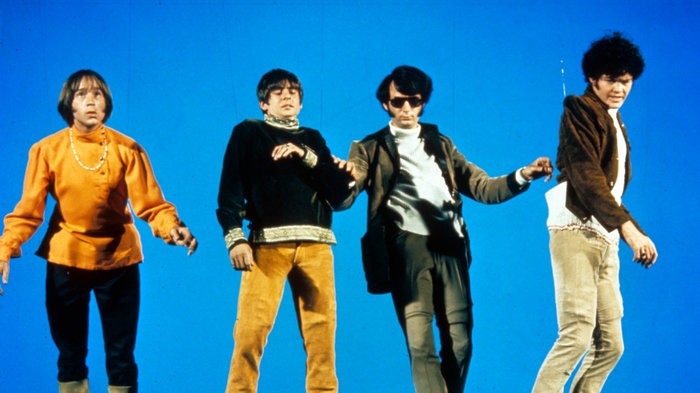
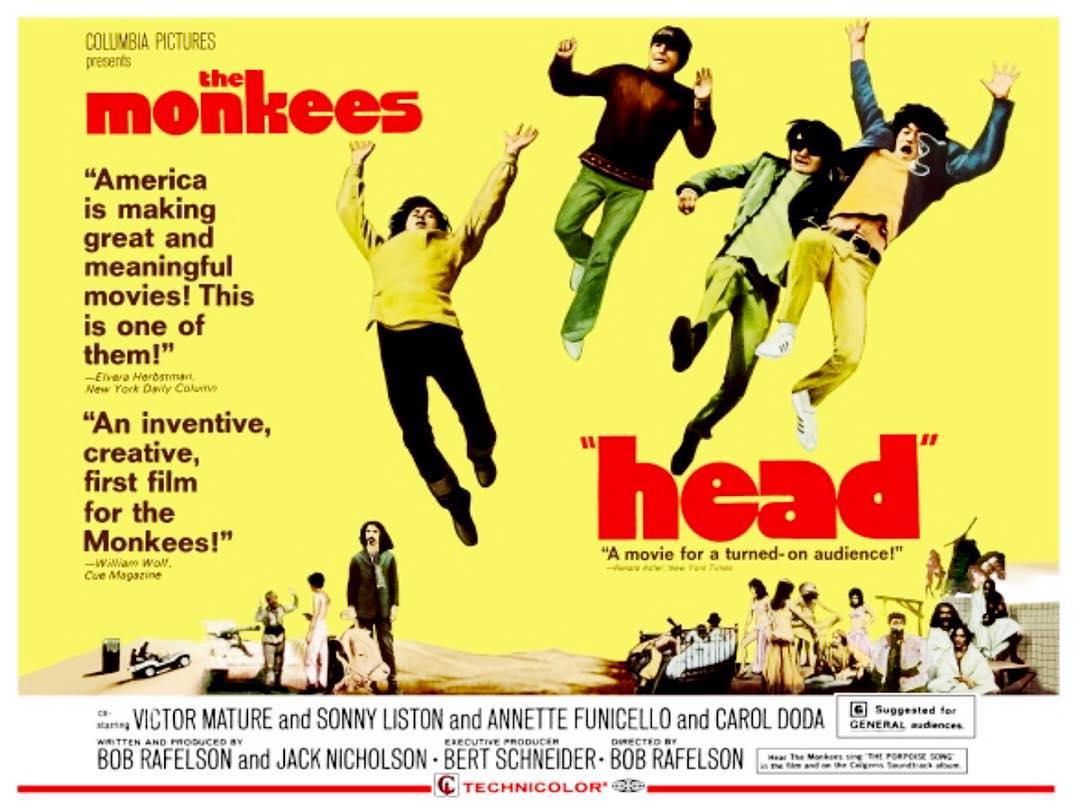
In Head, the Monkees made a play for creative and cultural respect. Did it work? No. Was it a strangely great movie? Heck yeah.
Photo by Moviestore/Shutterstock
I don’t think, as a teenage fangirl, that I realized exactly how bitter, how cynical, how teeth-grittingly furious the Monkees’ 1968 movie Head is. How it starts with — more or less — a suicide: Micky Dolenz running in a panic through a municipal ribbon-cutting ceremony and taking a leap off of a shiny new suspension bridge, tumbling through the air and crashing into the water to the stately chords of “Porpoise Song” while the rest of the band watches in consternation from the railing. How it ends the same way, except this time it’s all four of them jumping. How the Gerry Goffin-penned lyrics that play over both scenes go “a face, a voice/an overdub has no choice, an image cannot rejoice.”
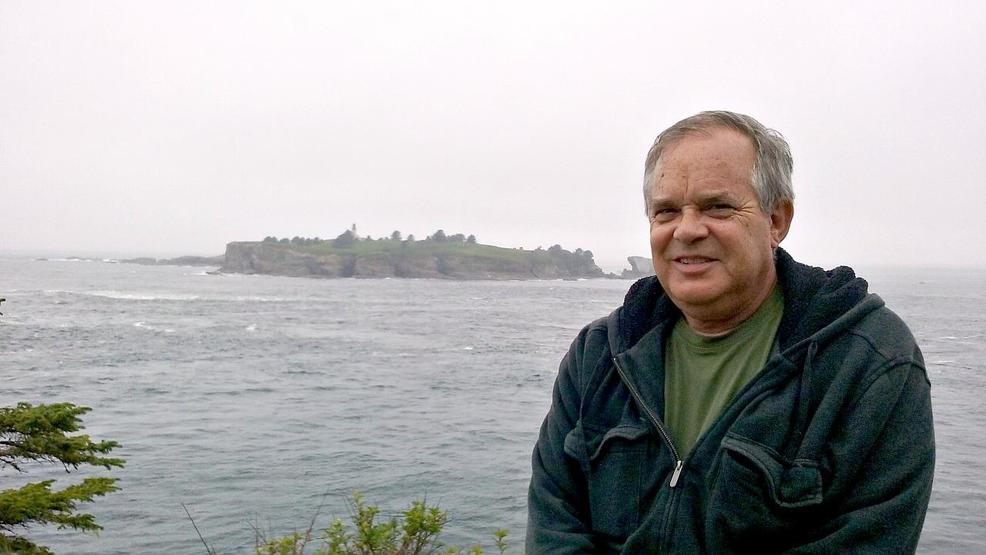
Washington state social worker Alan Naiman, photographed in 2013, left most of his $11 million estate to children’s charities.
Friends remember Washington state social worker Alan Naiman as being frugal. He wore old shoes held together with duct tape, bought his apparel at the grocery store, drove jalopies and ate at cheap restaurants. But when he died of cancer in January 2018, at age 63, the people around him learned that he had quietly saved millions for a higher cause.
Naiman left most of his $11 million estate to organizations serving abandoned, impoverished, sick and disabled children.
“He left it all to charities — mostly to kids, the section of society that couldn’t really help themselves,” his friend Shashi Karan told NPR.
Naiman had no spouse or biological children. But his elder brother, who was disabled and died in 2013, “kind of colored the way he looked at things,” his friend Susan Madsen told The Associated Press.
Before spending two decades at Washington’s Department of Social and Health Services, where he reportedly earned about $67,200 a year, Naiman was a banker.
“He made a career change into social services probably around the time he was fostering,” Washington State Department of Children, Youth and Families spokeswoman Debra Johnson told NPR. A dedicated and valued employee, he shared fond memories of the children he fostered, she said.
Despite living a modest life, he amassed a great deal of wealth by saving his work wages, taking on side jobs and inheriting millions from his parents.
Before he was diagnosed with cancer, Naiman thought about taking more road trips or moving to a house with a view, Karan said. But those dreams receded after the diagnosis. Instead, he spent his time researching charities.
He would joke that he was doing “work at the foundation,” alluding to Microsoft founder and billionaire philanthropist Bill Gates, Karan said.
Naiman was buoyed by the knowledge that he was leaving the organizations his money. Karan recalled to CNN that Naiman said, ” ‘My gift is going to be bigger than their annual budget. It’s going to blow them away.’
He was right.
Naiman gave a reported $2.5 million to a Washington state charity that helps newborns who were exposed to opiates, cocaine and other drugs.
“We first became aware of Alan’s generosity last fall when we received a $10,000 donation from him online,” the Pediatric Interim Care Center said. “Thinking that large amount might be a mistake, we called him to make sure he had entered the right number of zeroes! Yes, he told us, the donation was right, and there would be more to come in the future.”
Naiman then wrote a letter to staff that explained why: One frantic night in the early days of his career at the Department of Social and Health Services, he was trying to find a home for a fragile baby. The center’s founder came to his office to take the child.
The organization announced that it would use the funds to pay off the mortgage on its building.
Naiman also surprised a foster care group called Treehouse, Chief Development Officer Jessica Ross told NPR. He made a first-time donation of $5,000 in the months before he died — a lot of money to the organization. “Then, shortly after his passing, we learned he would be donating an additional $900,000. The donation is completely unexpected,” she said.
He told staff that he brought his foster children on shopping sprees at Treehouse’s free clothing store.
The money will help fund a planned expansion of a graduation support program as well as career services for fostered youth, Ross said.
Other children’s charities that made Naiman’s cut included Little Bit Therapeutic Riding Center, which provides therapeutic horseback riding for people with disabilities, and WestSide Baby, which distributes new and used items to low-income families.
Naiman also gave money to his parents’ Catholic church and to Disabled American Veterans, according to Karan.
“For someone to live their life the way Alan did — and then leave a legacy like this to so many worthy organizations — is an inspiration,” Ross said. “We’re so thankful to be a part of this. What a generous, loving man.”
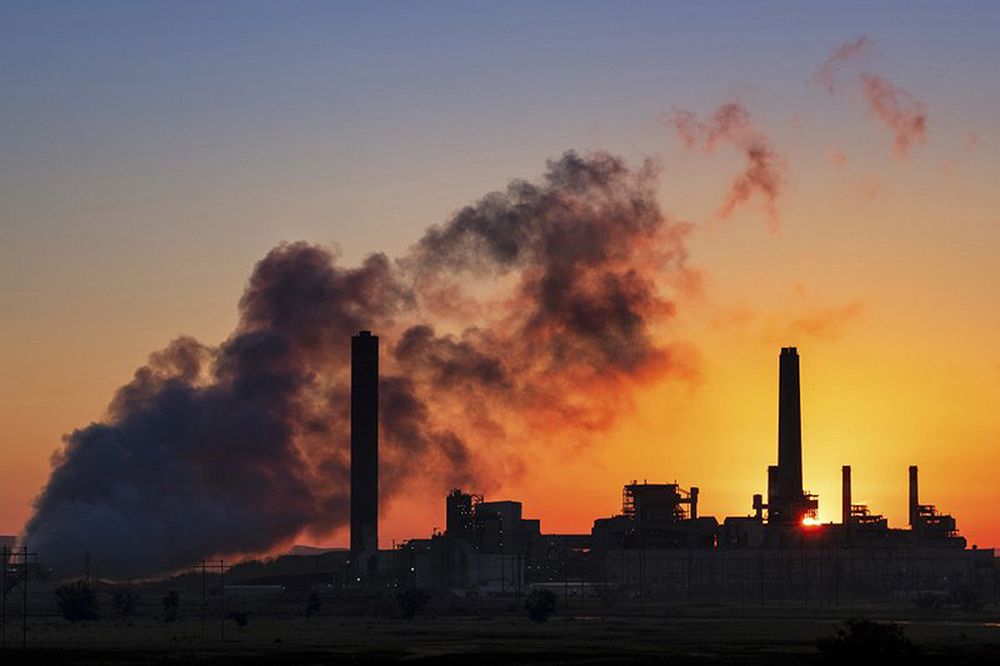
FILE – In this July 27, 2018, file photo, the Dave Johnson coal-fired power plant is silhouetted against the morning sun in Glenrock, Wyo.
This is an update on the earlier NYTimes article/post from September. There are so many areas to fight back and resist this President’s actions against the environment. If you choose one fight against this administration, make it this one.
By ELLEN KNICKMEYER, AP News, December 29, 2018
WASHINGTON (AP) — The Trump administration has targeted an Obama-era regulation credited with helping dramatically reduce toxic mercury pollution from coal-fired power plants, saying the benefits to human health and the environment may not be worth the cost of the regulation.
The 2011 Obama administration rule, called the Mercury and Air Toxics Standards, led to what electric utilities say was an $18 billion clean-up of mercury and other toxins from the smokestacks of coal-fired power plants.
Overall, environmental groups say, federal and state efforts have cut mercury emissions from coal-fired power plants by 85 percent in roughly the last decade.
Mercury causes brain damage, learning disabilities and other birth defects in children, among other harm. Coal power plants in this country are the largest single manmade source of mercury pollutants, which enters the food chain through fish and other items that people consume.
The proposal Friday from the Environmental Protection Agency challenges the basis for the Obama regulation. It calculates that the crackdown on mercury and other toxins from coal plants produced only a few million dollars a year in measurable health benefits and was not “appropriate and necessary” — a legal benchmark under the country’s landmark Clean Air Act.
The proposal, which now goes up for public comment before any final administration approval, would leave the current mercury regulation in place.
However, the EPA said it will seek comment during a 60-day public-review period on whether “we would be obligated to rescind” the Obama-era rule if the agency adopts Friday’s finding that the regulation was not appropriate and necessary. Any such change would trigger new rounds in what have already been years of court battles over regulating mercury pollution from coal plants.
This move is the latest by the Trump administration that changes estimates of the costs and payoffs of regulations as part of an overhaul of Obama-era environmental protections.
It’s also the administration’s latest proposed move on behalf of the U.S. coal industry, which has been struggling in the face of competition from natural gas and other cheaper, cleaner forms of energy. The Trump administration in August proposed an overhaul for another Obama-era regulation that would have prodded electricity providers to get less of their energy from dirtier-burning coal plants.
In a statement, the EPA said Friday the administration was “providing regulatory certainty” by more accurately estimating the costs and benefits of the Obama administration crackdown on mercury and other toxic emissions from smokestacks.
Hal Quinn, head of the National Mining Association, charged in a statement Friday that the Obama administration had carried out “perhaps the largest regulatory accounting fraud perpetrated on American consumers” when it calculated that the broad health benefits to Americans would outweigh the cost of equipment upgrades by power providers.
Sen. Tom Carper of Delaware, the top Democrat on the Senate’s Environment and Public Works Committee, condemned the Trump administration’s move.
The EPA has “decided to snatch defeat from the jaws of victory” after the successful clean-up of toxins from the country’s coal-plant smokestacks, Carper said.
He and other opponents of the move said the Trump administration was playing with numbers, ignoring what Carper said were clear health, environmental and economic benefits to come up with a bottom line that suited the administration’s deregulatory aims.
Janet McCabe, a former air-quality official in the Obama administration’s EPA, called the proposal part of “the quiet dismantling of the regulatory framework” for the federal government’s environmental protections.
Coming one week into a government shutdown, and in the lull between Christmas and New Year, “this low-key announcement shouldn’t fool anyone — it is a big deal, with significant implications,” McCabe said.
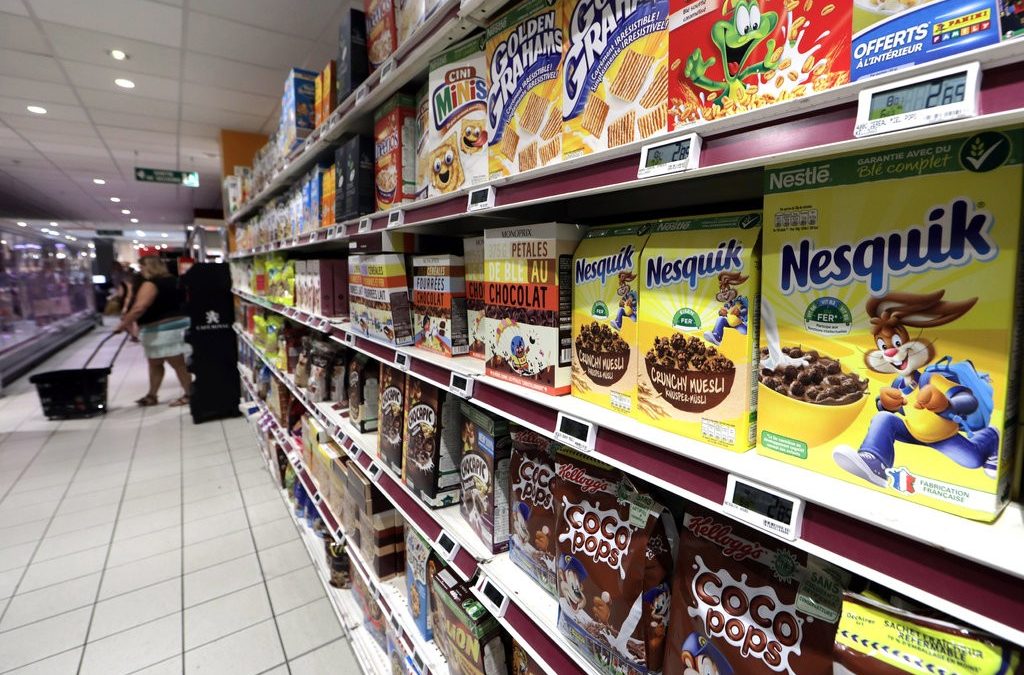
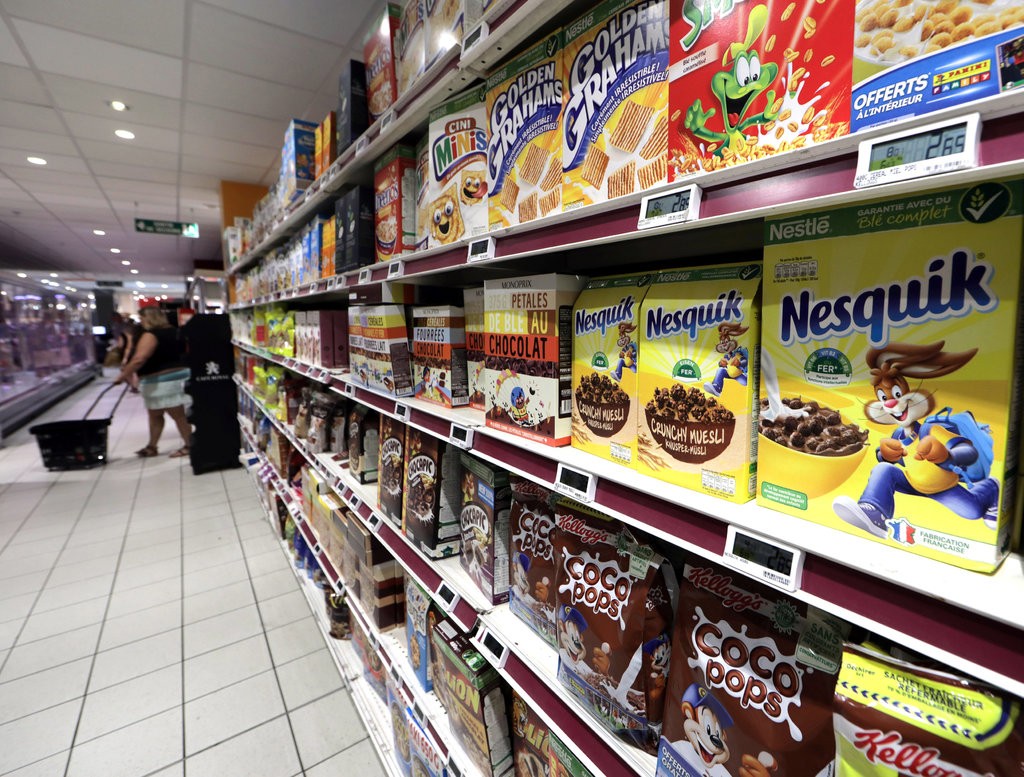
I don’t wonder too much why this is the case. The U.S is famous for getting tied up by corporate lobbyists, stifling bureaucracy, and a wholly inefficient, meek FDA. Further insult to public health is the plain greed of sellouts to corporations rich enough to pay for whatever they want.
This small list is a trifle of the much larger list of banned foods, chemical, and agri products that are banned, not only in Europe, but here in our own California, stateside.
Want to know what’s likely safe for public health, and what’s likely not? Don’t look at our federal regulations. Look at Europe, and then look at California.
The European Union prohibits many food additives and various drugs that are widely used in American foods.
By Roni Caryn Rabin, NYTimes
Q. What foods are banned in Europe that are not banned in the United States, and what are the implications of eating those foods?
A. The European Union prohibits or severely restricts many food additives that have been linked to cancer that are still used in American-made bread, cookies, soft drinks and other processed foods. Europe also bars the use of several drugs that are used in farm animals in the United States, and many European countries limit the cultivation and import of genetically modified foods.
“In some cases, food-processing companies will reformulate a food product for sale in Europe” but continue to sell the product with the additives in the United States, said Lisa Y. Lefferts, senior scientist at the Center for Science in the Public Interest, a food safety advocacy organization.
A 1958 amendment to the Food, Drug and Cosmetic Act prohibits the Food and Drug Administration from approving food additives that are linked to cancer, but an agency spokeswoman said that many substances that were in use before passage of the amendment, known as the Delaney amendment, are considered to have had prior approval and “therefore are not regulated as food additives.”
In October, the F.D.A. agreed to ban six artificial flavoring substances shown to cause cancer in animals, following petitions and a lawsuit filed by the Center for Science in the Public Interest and other organizations. The F.D.A. insists the six artificial flavors “do not pose a risk to public health,” but concedes that the law requires it not approve the food additives. Food companies will have at least two years to remove them from their products.
Here’s a short list of some of the food additives restricted by the European Union but allowed in American foods. Most must be listed as ingredients on the labels, though information about drugs used to increase the yield in farm animals is generally not provided.
Potassium bromate and azodicarbonamide (ADA)
These additives are commonly added to baked goods, but neither is required, and both are banned in Europe because they may cause cancer. In recent years, some American restaurant chains have responded to consumer pressure and removed them from their food.
Potassium bromate is often added to flour used in bread, rolls, cookies, buns, pastry dough, pizza dough and other items to make the dough rise higher and give it a white glow. The International Agency for Research on Cancer considers it a possible human carcinogen, and the Center for Science in the Public Interest petitioned the F.D.A. to ban it nearly 20 years ago. The F.D.A. says potassium bromate has been in use since before the Delaney amendment on carcinogenic food additives was passed.
Azodicarbonamide, or ADA, which is used as a whitening agent in cereal flour and as a dough conditioner, breaks down during baking into chemicals that cause cancer in lab animals. It is used by many chain restaurants that serve sandwiches and buns. The Center for Science in the Public Interest has urged the F.D.A. to bar its use. The F.D.A. says it is safe in limited amounts.
BHA and BHT
The flavor enhancers and preservatives BHA and BHT are subject to severe restrictions in Europe but are widely used in American food products. While evidence on BHT is mixed, BHA is listed in a United States government report on carcinogens as “reasonably anticipated” to be a human carcinogen.
Brominated Vegetable Oil (BVO)
BVO is used in some citrus-flavored soft drinks like Mountain Dew and in some sports drinks to prevent separation of ingredients, but it is banned in Europe. It contains bromine, the element found in brominated flame retardants, and studies suggest it can build up in the body and can potentially lead to memory loss and skin and nerve problems. An F.D.A. spokeswoman said it is safe in limited amounts, and that the agency would take action “should new safety studies become available that raise questions about the safety of BVO.”
Yellow food dyes No. 5 and No. 6, and Red Dye No. 40
These dyes can be used in foods sold in Europe, but the products must carry a warning saying the coloring agents “may have an adverse effect on activity and attention in children.” No such warning is required in the United States, though the Center for Science in the Public Interest petitioned the F.D.A. in 2008 to ban the dyes. Consumers can try to avoid the dyes by reading lists of ingredients on labels, “but they’re used in so many things you wouldn’t even think of, not just candy and icing and cereal, but things like mustard and ketchup,” marshmallows, chocolate, and breakfast bars that appear to contain fruit, Ms. Lefferts, the food safety scientist, said.
The F.D.A.’s website says reactions to food coloring are rare, but acknowledges that yellow dye No. 5, used widely in drinks, desserts, processed vegetables and drugs, may cause itching and hives.
Farm Animal Drugs
The European Union also bans some drugs that are used on farm animals in the United States, citing health concerns. These drugs include bovine growth hormone, which the United States dairy industry uses to increase milk production. The European Union also does not allow the drug ractopamine, used in the United States to increase weight gain in pigs, cattle and turkeys before slaughter, saying that “risks to human health cannot be ruled out.” An F.D.A. spokeswoman said the drugs are safe.
Everyone is entitled to their own definition. Some may abide by more liberal views. Some are more constrained. Some of us put weight in demonstrative actions. Others treasure words, and expressions.
The ways we develop, recognize, and show romantic love, may differ in ways among the billions of people on this planet, but I believe there are qualities, and behaviors that are universal within all of us. The universal qualities are the things I hold dearest, and most deeply, when I define romantic love, and what it means to me.
To love someone. To really love someone, is to make them the center of your universe. I add the word, “really”, to emphasize this emotional state, because there are too many cases of this word, “love”, being used to describe other states of attraction, and attachment that are not the deep and committed love I’m sharing here.
Making someone the center of your universe, is as huge as it sounds. It is a tremendous magnetic pull on your life, that not only bathes you in its warmth and sunlight, but also shades parts of your life, that otherwise would exist, if not thrive, autonomously. This is the part of love that has no finish line. There’s no immediate reward that can be calculated. It’s a philosophical acceptance that requires sacrifice of the one, for the greater good of the two.
This is not to say that sacrifices should abound, and autonomy forsaken. Quite the contrary. A deeply committed love should always accommodate deep individual needs. What are we to each other, if we are nothing to ourselves?
But we are not all dovetailed parts that fit nicely into one another. We all have rough edges that need sanding, odd sizes, and shapes that need work because they don’t match up. Skilled carpenters get paid to make beautiful custom furniture. An alliance of true love, requires no less. We must be willing to be carpenters.